
We are trying something new for Advent this year at Homebrewed Christianity. Each week we are looking at the 4 suggested texts from the lectionary and talking about how we would approach them.
In week one there were 3 texts that we resonated with and a fourth that we struggled with. That fourth text was Mark chapter 13 where Jesus talks about signs of the end, fig trees and catastrophe.
The one thing that I do like about the fourth text is the exhortation to ‘stay alert’. There are many passages in the Bible that call us to wake up or stay alert. It is a theme that always gets my attention.
What are we in danger of falling asleep to?
What is causing that slumber?
Some would want to answer with a classic concepts like human nature, the effects of sin, or some other predictable formulation. While those may all be true, the danger has never been greater nor the effects as pervasive as they are in 21st century.
We live in an odd time of global markets, multi-national corporations and rampant consumerism. Ours is an age of media saturation, electronic daze and commercial overload.
I have found the tool of Critical Theory helpful in analyzing our age of what Cornell West calls ‘weapons of mass distraction’. High modernity has brought us both amazing goods and services (think cell phones and the internet) as well as unprecedented capacity for destruction and devastation.
The formative thinkers in the field of Critical Theory were responding to the massive shifts of the 20th century and the realities of two World Wars that exposed human suffering and the capacity of evil in new ways. Not only did we have Hiroshima and Auschwitz but we had them on film. Some talk about this being the end of ideology (utopia) and the resulting loss of hope.
I have adapted and modified some relevant concepts from my reading and will be using them this weekend for Advent week 1. The questions this week are:
What have we fallen asleep to?
What is causing the slumber?
To what do we need to be awakened?
Black Friday is the high holy day of capitalism. Consumerism is a seductive and intoxicating atmosphere – it is the air that we all breathe in late modernity.
Consumerism, however, has a numbing effect that dulls our senses and saps our energy. This happens in 3 predictable phases.
- Alienation
- Disillusionment
- Resignation
Alienation is the result of humans being commodified and thus separated from that which they produce. It also isolates us from one another as we are simultaneously objectified as consumers and subjected to an onslaught of ads that inform us we are not good enough, we don’t have enough and that the thing we don’t have would make us happy-attractive-successful.
This leads to disillusionment because we buy stuff, we pay for services, we upgrade, we super-size … and yet it does not satisfy. We are dis-couraged. Aren’t we supposed to live in a post-racial America? What is one supposed to do in the fallout from the recent economic collapse and ongoing environmental devastation?
The final stage is resignation. The machine is too big. It feels like we are just cogs in a giant mechanism of consumption, corruption and growing disparity. The game is rigged and we know it. But we need stuff so we work more than we ever have and are less satisfied. We watch the news and see how bad is out there and we want to retreat into our screens and games. From Candy Crush to Fantasy Football we are active participants relegated to passive spectators.
We are slowly lulled to sleep in the system and numbed to the needs of our neighbors.
What can one person do in the face of this overwhelming and all-encompassing structure of society?
Wake Up! Stay Alert! Don’t be dis-couraged.
That is the call of the texts this week. Don’t get distracted by falling stars and light-less moons. Listen to what Jesus is saying. He is telling you that it is going to get bad. Yes there will be progress in certain ways … but don’t be deceived: evil just morphs and takes on other forms.
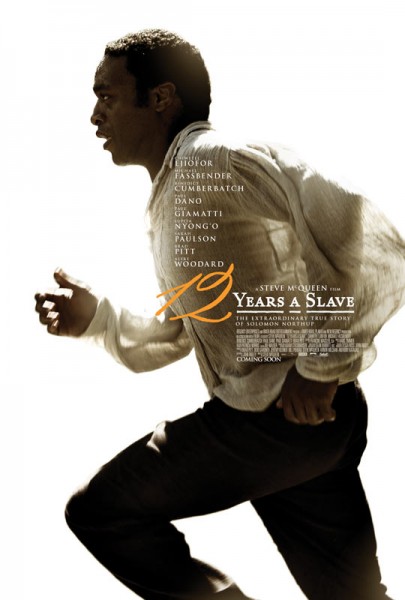
We can celebrate that slavery ended for one part of the population… but realize that there are more humans in slavery right now than at the height of the slave trade.
Racism is not as overt as it once was … but now it morphed into a New Jim Crow and Dog Whistle Politics.
Wake Up! Stay Alert!
If the slumber results from alienation, disillusionment and resignation then the beginning of waking up is three-fold as well.
- Realize that the game is rigged. The rich get richer and the poor get poorer.
- Admit when you feel giving up, giving in and checking out. We need each other (see the 1 Cor text from Advent 1)
- Listen to a community that is different from your own. Don’t be deceived that all you can see is all that is going on.
Do these three things and you will be amazed at what you are awakened to.
If you are interested you can listen to the episode – Mark 13 starts around the 1 hour mark.
You can also sign up for the class for December.

 Bo Sanders: Public Theology